
What Makes the Perfect Sideboard?
The sideboard is one of the most enduring and versatile pieces of furniture in the home. From traditional Irish dining rooms to contemporary open‑plan living spaces, a well‑made sideboard quietly anchors a room, offering storage, surface space, and timeless character in equal measure. But what actually makes the perfect sideboard?
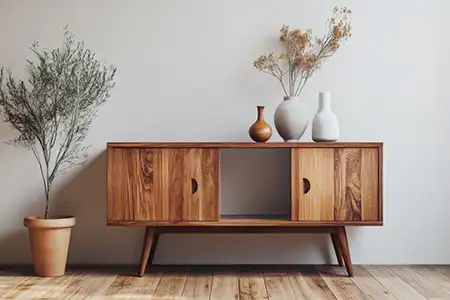
Is it craftsmanship? Choice of wood? Proportions and scale? Or is it how the piece fits into your daily life?
At Irish Woodcraft, we believe the perfect sideboard is not defined by trends alone, but by a thoughtful balance of design, function, materials, and craftsmanship—with a deep respect for how furniture is used in real Irish homes. In this guide, we explore everything that goes into creating a sideboard that will not only look beautiful on day one, but continue to serve your home for decades to come.
Understanding the Role of a Sideboard
Before choosing or commissioning a sideboard, it’s important to understand what role it will play in your home.
Historically, sideboards were designed as dining room furniture, used to store tableware, linens, serving dishes, and cutlery. Today, their use has expanded well beyond the dining room. Sideboards now appear in:
- Dining rooms
- Kitchens and breakfast rooms
- Living rooms
- Hallways and entrance spaces
- Home offices
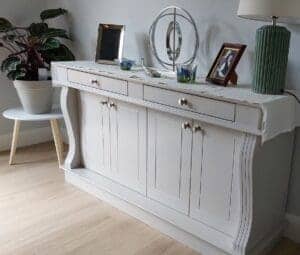
The Connemara Sideboard
Some sideboards store fine china and crystal, others hide everyday clutter, while many now double as display furniture for artwork, lamps, and personal collections.
The perfect sideboard begins with clarity of purpose. Ask yourself:
- What will I store in it?
- How often will I access it?
- Is it primarily functional, decorative, or both?
Your answers will shape every design decision that follows.
Proportion and Scale: Getting the Fit Right
One of the most common mistakes when choosing a sideboard is selecting the wrong size.
A sideboard that is too large will dominate a room and restrict movement. One that’s too small can feel like an afterthought. The perfect sideboard sits comfortably within its space, enhancing the room without overwhelming it.
Length
Traditionally, sideboards range from 120cm to 220cm in length. The ideal length depends on:
- Wall size
- Ceiling height
- Adjacent furniture (tables, doors, windows)
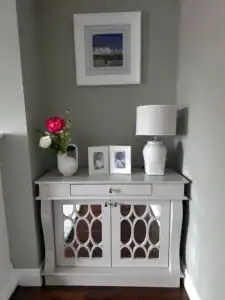
The Connemara
As a rule of thumb, a sideboard should take up no more than two‑thirds of the wall it sits against.
Height
Most sideboards sit between 75cm and 90cm high, making them ideal for serving food or placing decorative items. Taller sideboards can work in modern interiors, but must be carefully proportioned.
Depth
Depth is often overlooked. A depth of 40–50cm offers generous storage without intruding into the room.
Custom‑made sideboards allow you to fine‑tune these dimensions for your specific space—one of the key reasons bespoke furniture remains so relevant today.
Storage That Reflects Real Life
A perfect sideboard isn’t just about how it looks from the outside—it’s about what happens when you open it.
Drawers vs Cupboards
- Drawers are ideal for cutlery, table linens, paperwork, or smaller items.
- Cupboards work well for plates, serving dishes, bottles, and bulkier storage.
The best sideboards often include a combination of both.
Soft‑Close Mechanisms
Quality drawer runners and concealed hinges with soft‑close systems add a sense of refinement and protect the wood over time. These details may seem small, but they significantly affect daily use.
A well‑designed interior ensures your sideboard remains a pleasure to use, not just something to look at.
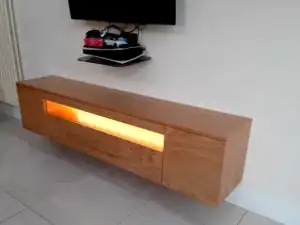
Oak TV Unit with integrated lighting
Material Choice: Does Solid Wood Matter?
When it comes to sideboards, material choice is everything.
Mass‑produced furniture often relies on poorly veneered boards or cheap MDF cores. While these may look acceptable initially, they rarely age well. By contrast, a sideboard made from solid wood develops character, warmth, and patina over time. The same can be said with professionally veneered boards and high quality MDF or HDF that is painted well. In the hands of a skilled professional you will struggle to tell the difference between a high quality, well veneered unit, and a solid wood unit.
Popular Woods for Sideboards
- Solid Oak: Strong, durable, and timeless. Ideal for both traditional and modern designs.
- Walnut: Rich in colour with striking grain patterns, perfect for statement pieces.
- Ash: Light, flexible, and beautifully grained, well suited to Scandinavian‑inspired interiors.
- Cherry or Elm: Characterful and distinctive for those seeking something less common.
Solid wood offers:
- Greater longevity
- Easier repair and restoration
- Natural movement and depth
- A sense of authenticity that composite materials can’t replicate
At Irish Woodcraft, we work with carefully selected, sustainably sourced timbers, ensuring beauty and responsibility go hand in hand.
Craftsmanship: The Heart of a Perfect Sideboard
True craftsmanship is not always immediately visible—but it can always be felt.
Joinery
Traditional joinery techniques such as mortise and tenon or dovetail joints provide strength without relying on excessive hardware or adhesives. These joints allow the wood to move naturally with changes in Ireland’s climate, preventing warping and splitting.
Hand‑Finished Surfaces
A hand‑finished sideboard feels different to the touch. Edges are softened, surfaces are smooth without being sterile, and the wood grain remains alive and expressive.
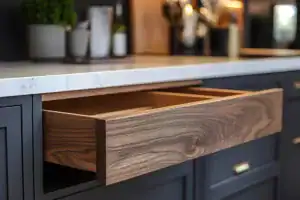
Walnut for a splash of sophistication
Attention to Detail
Perfectly aligned drawers, consistent grain matching, and carefully balanced proportions all speak to a piece made with care rather than haste.
Craftsmanship is what transforms a sideboard from furniture into a heritage piece.
Design Style: Timeless Over Trendy
Trends come and go, but a perfect sideboard should feel just as relevant in 20 years as it does today.
Classic Designs
Clean lines, balanced proportions, and restrained detailing stand the test of time. Shaker‑inspired designs, for example, continue to work beautifully in both traditional and modern homes.
Contemporary Sideboards
Modern sideboards often feature:
- Handle‑less fronts
- Minimalist profiles
- Push‑to‑open mechanisms
- Floating or recessed bases
When executed in solid wood, contemporary designs retain warmth and avoid feeling cold or clinical.
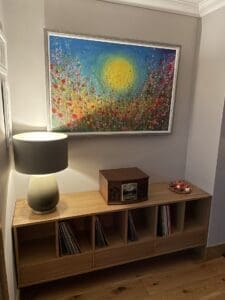
The Nore Stereo Unit
Transitional Pieces
Many homeowners prefer a design that sits between classic and modern—timeless but not old‑fashioned. This approach ensures flexibility as interiors evolve.
The perfect sideboard complements its environment rather than competing with it.
Finishes That Protect and Enhance
The finish applied to a sideboard plays a crucial role in both appearance and durability.
Natural Oil Finishes
Oil penetrates the wood, enhancing grain and colour while allowing the material to breathe. It’s easy to touch up over time, making it ideal for long‑term use.
Hardwax Oils
These combine the natural look of oil with added surface protection, making them well suited to busy households.
Lacquers and Painted Finishes
While less traditional, painted or lacquered sideboards can work beautifully in certain settings, especially when paired with solid wood interiors and drawer boxes.
The best finishes protect without masking the natural beauty of the timber.
Sustainability and Local Making
More homeowners are becoming conscious of where their furniture comes from—and rightly so.
A perfect sideboard should not only look good but feel right ethically.
Choosing locally made furniture:
- Reduces carbon footprint
- Supports skilled Irish craftspeople
- Ensures transparency in materials and processes
- Results in better quality control
Solid wood furniture, when responsibly sourced and well cared for, is one of the most sustainable choices you can make for your home.
Bespoke vs Off‑the‑Shelf
While off‑the‑shelf sideboards offer convenience, they often involve compromise—on size, materials, or internal layout.
Benefits of Bespoke Sideboards
- Made to fit your exact space
- Designed around your specific storage needs
- Choice of timber, finish, and detailing
- Built to last generations
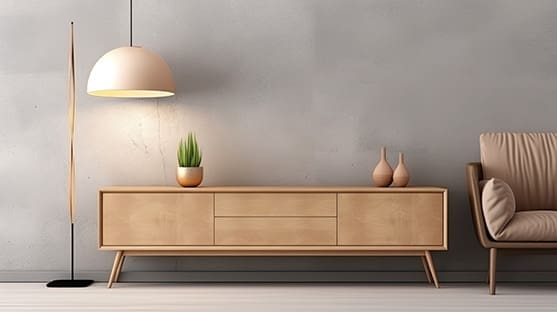
Ash Custom Made Sideboard
A bespoke sideboard is an investment, not just in furniture, but in how your home functions and feels every day.
The Emotional Value of a Well‑Made Sideboard
Ultimately, the perfect sideboard is not just about measurements or materials—it’s about how it makes you feel.
It might be:
- The place where family meals begin and end
- The surface that holds photographs and memories
- The piece guests always comment on
- The furniture item that follows you from one home to the next
There is a quiet satisfaction in owning something made slowly, carefully, and with intention.
Conclusion: Defining Your Perfect Sideboard
The perfect sideboard is a balance of form and function, beauty and practicality, tradition and modern living. It fits its space effortlessly, serves your needs without compromise, and is crafted with respect for both material and user.
Whether you favour classic oak, contemporary walnut, or a fully bespoke design tailored to your home, the right sideboard will reward you every single day.
At Irish Woodcraft, we believe furniture should be made to last—both structurally and emotionally. A perfect sideboard is not just furniture for now, but a piece for life.